


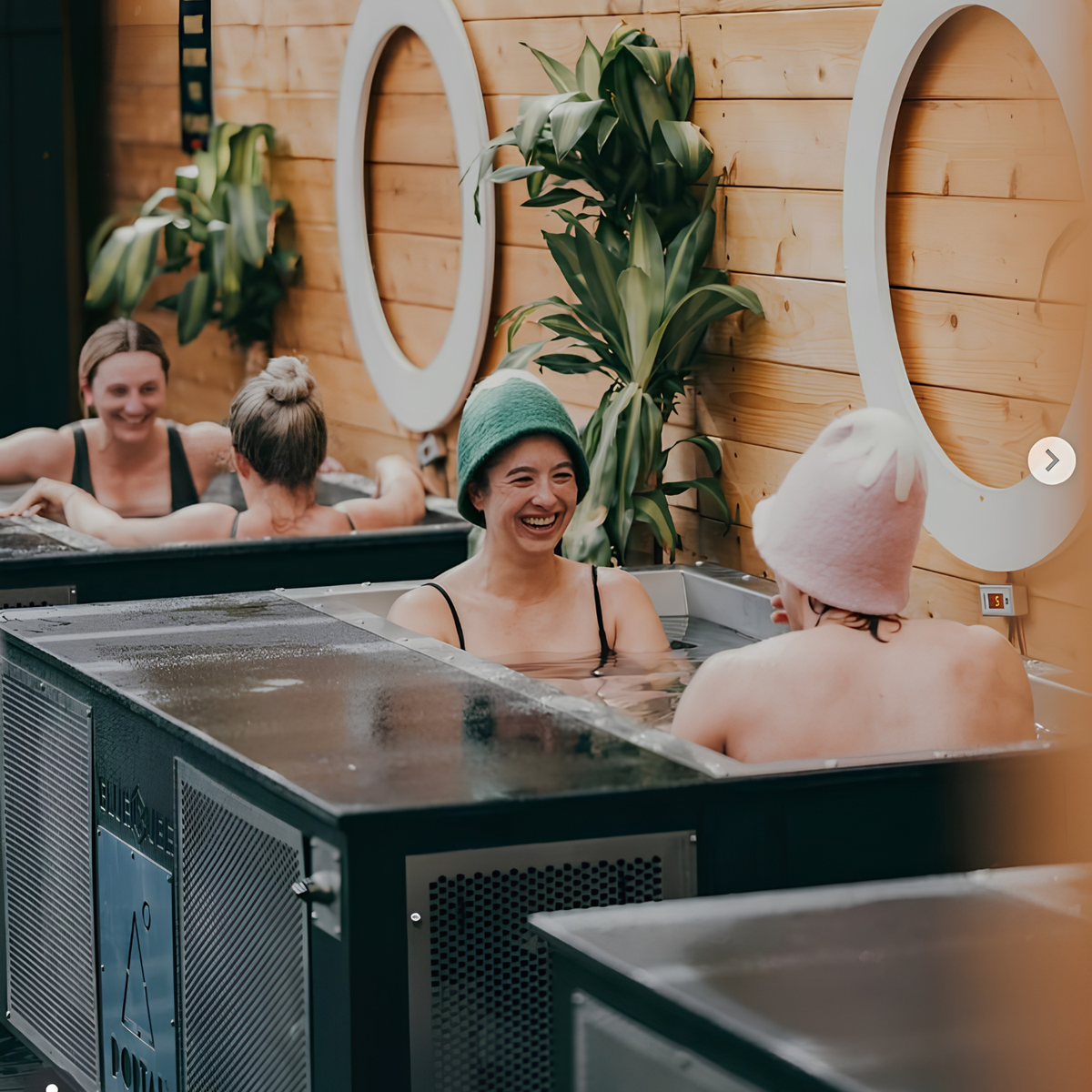
Why Everyone's Suddenly Obsessed With Cold Water (And Whether It's Worth the Shock)
There's a particular sound people make the moment they get into cold water. A sharp inhale, sometimes a swear word, occasionally a laugh they didn't mean to let out. It's not subtle, and it's not meant to be. For the first ten seconds, your brain is fairly convinced something has gone wrong. Then, oddly, it settles.
Cold water immersion has been around for centuries Scandinavians have been jumping into frozen lakes after saunas since long before anyone thought to film it for social media. What's changed is that it's no longer something only elite athletes or hardened outdoor swimmers bother with. Over the last few years, cold plunging has quietly become one of those habits that ordinary people fit into their morning routine, right alongside the kettle going on.
What's actually happening in your body
The moment cold water hits your skin, your body reacts almost instantly. Blood vessels near the surface constrict, pushing blood towards your core to protect vital organs. Your heart rate often increases initially, followed by a slower, steadier rhythm as your body adjusts.
There's a rush of noradrenaline a stress hormone that also happens to sharpen focus and mood which is part of why so many people say they feel unusually clear-headed afterwards, almost as though a layer of mental fog has lifted.
Cold exposure has also been linked to reduced inflammation, which is why so many athletes reach for an ice bath after intense training. Sore, swollen muscles calm down faster when blood flow is redirected and inflammation is kept in check. For anyone dealing with joint stiffness, post-workout soreness, or just the general ache of a long week, that alone is worth the initial discomfort.
The bit people don't expect
What surprises most first-timers isn't the cold itself t's how much of the experience is mental rather than physical. Staying still in cold water forces you to control your breathing, slow your thoughts, and simply be present, because there's genuinely nothing else you can focus on in that moment. A lot of people describe it as one of the only times in their day when their mind actually goes quiet.
It's also worth saying: nobody's suggesting you need to dive into the sea in December to get the benefit. Most people doing this consistently are doing it in their own garden, in a proper cold plunge tub, for a few minutes at a time, two or three times a week. Consistency matters far more than intensity here.
Getting started without the faff
The biggest barrier for most people isn't willpower it's logistics. Filling a bathtub with forty bags of ice from the corner shop gets old fast, and it's not exactly consistent. A dedicated cold plunge tub solves that problem outright: fill it once, keep the temperature steady, and it's ready whenever you are, no ice run required.
If you've been curious about trying this properly rather than shivering through a makeshift version in your bathroom, it might be worth having a look at what a home cold plunge setup actually looks like some of them are far more compact and manageable than people expect.