


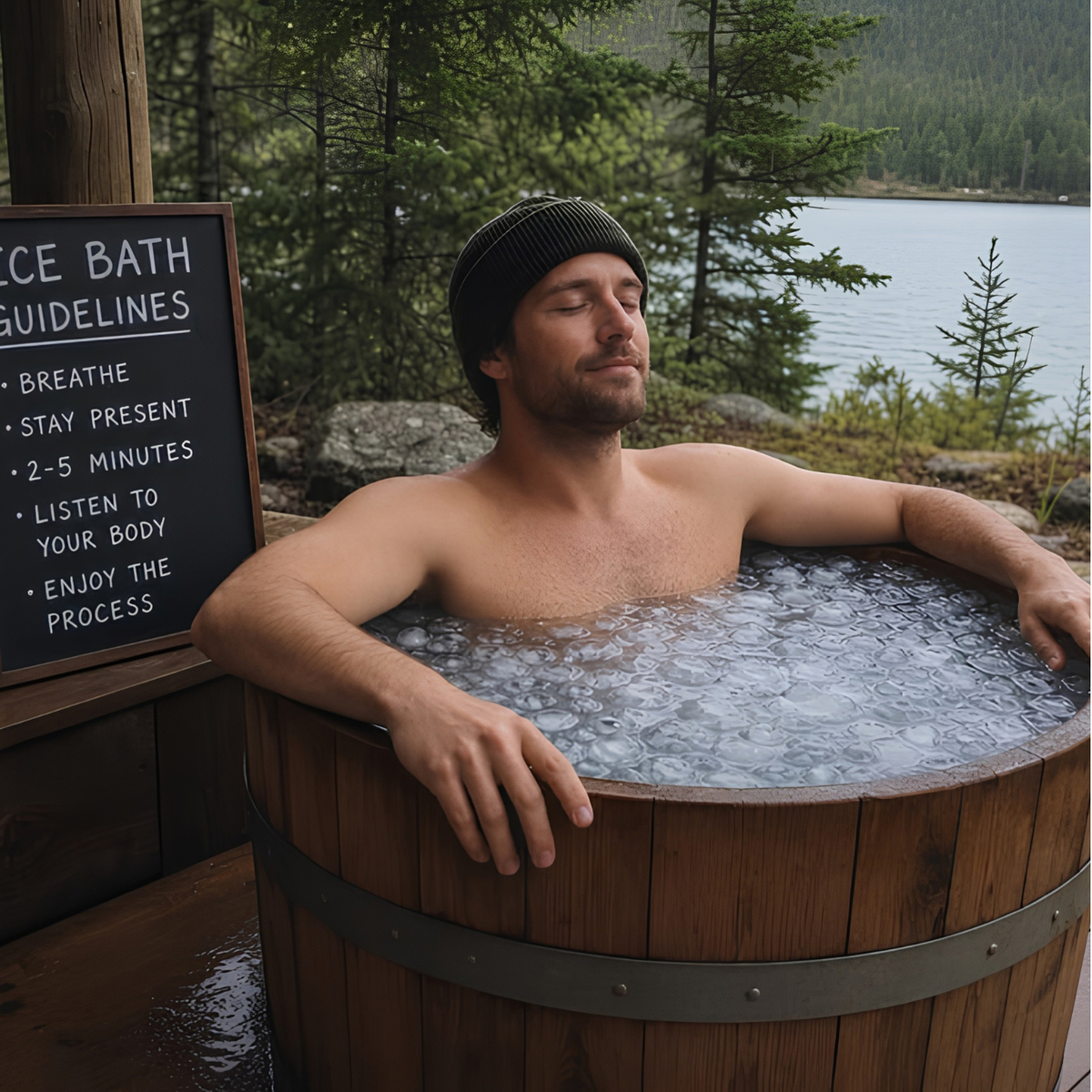
Hot, Then Cold: The Recovery Trick Athletes Have Used for Decades (That You Can Now Do in Your Garden)
Contrast therapy sounds like something out of a sports science lab, but the concept is genuinely simple: heat your body up properly, then cool it down properly, and let the swing between the two do the work. It's not a new idea by any stretch Roman bathhouses were built around hot and cold rooms, and Nordic cultures have paired sauna sessions with a plunge into freezing lakes for as long as anyone can trace back. What's changed is who's doing it, and where.
Why the swing actually works
When you're in the heat, blood vessels widen and blood rushes towards the skin's surface, which is why you go a bit pink and start sweating. The moment you move into cold water, the opposite happens almost instantly vessels constrict and blood gets pulled back towards your core. That rapid back-and-forth is what researchers believe helps flush waste products out of muscle tissue faster than either temperature manages alone, which is largely why professional athletes have relied on this pairing for post-training recovery for decades.
It's not just physical, either. The heat relaxes you; the cold sharpens you. Do them back-to-back and most people describe feeling both properly calm and unusually alert at the same time a combination that's genuinely hard to get from anything else. It's a bit like the clarity you get from a walk outside, minus the walk, minus the weather, and considerably faster.
Who this actually helps
You don't need to be training for a marathon to feel the benefit. Plenty of people build this into a weekly routine purely for how it leaves them feeling afterwards less foggy, less stiff, and noticeably better rested that night. Anyone dealing with regular muscle tension, poor sleep, or just the general low-level fatigue of a demanding week tends to notice a difference fairly quickly, often within the first couple of sessions.
The access problem
Historically, the tricky part hasn't been convincing people this works it's been access. Not everyone lives near a spa offering both a sauna and a proper cold plunge, and even fewer fancy queuing for either. That's really the only reason contrast therapy has stayed a niche, spa-only activity for so long, despite how simple the actual process is.
If you've ever thought about setting this up at home rather than working around someone else's opening hours, it's worth having a look at sauna and cold plunge pairings designed for smaller, everyday spaces — a lot of people are surprised by how manageable a proper hot-cold routine is once it's just a few steps from your back door.